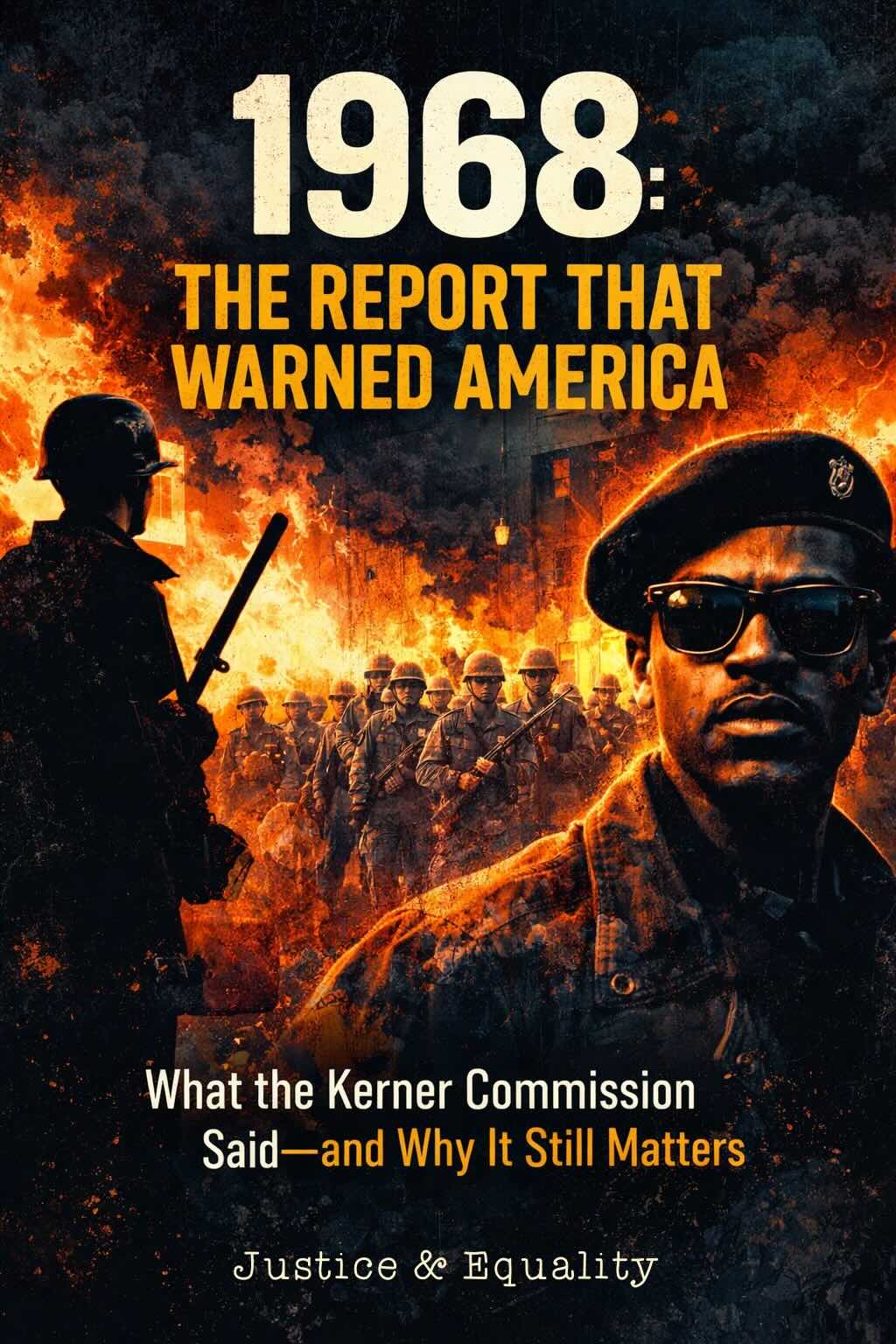
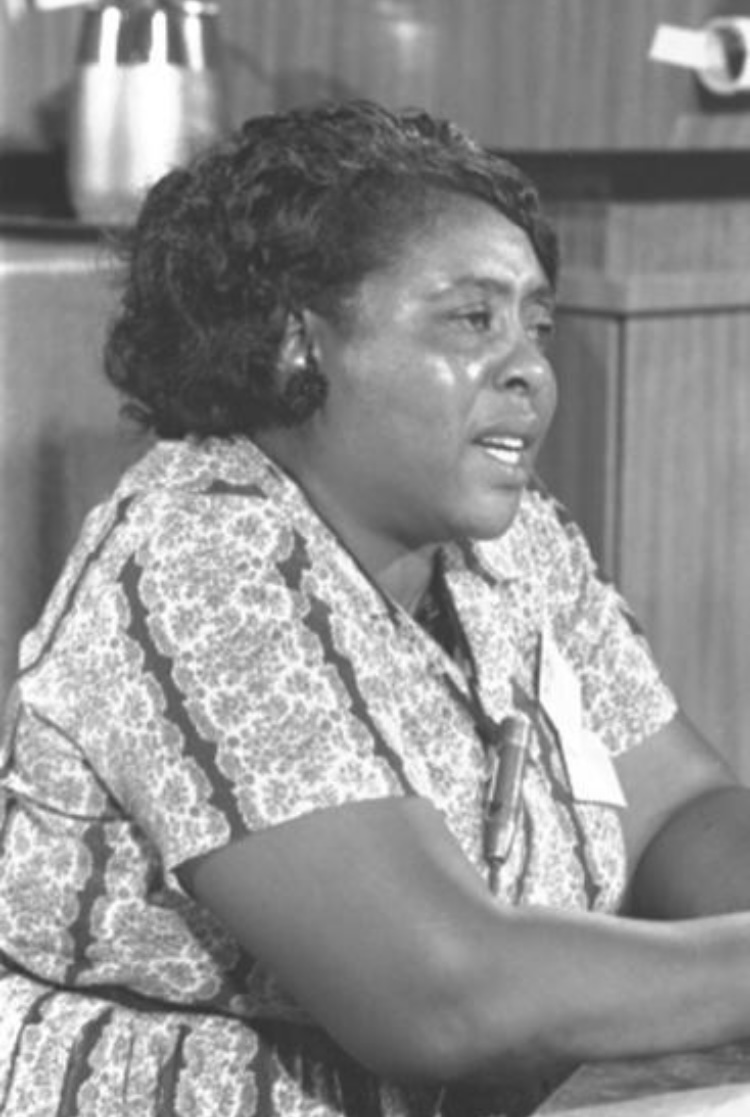
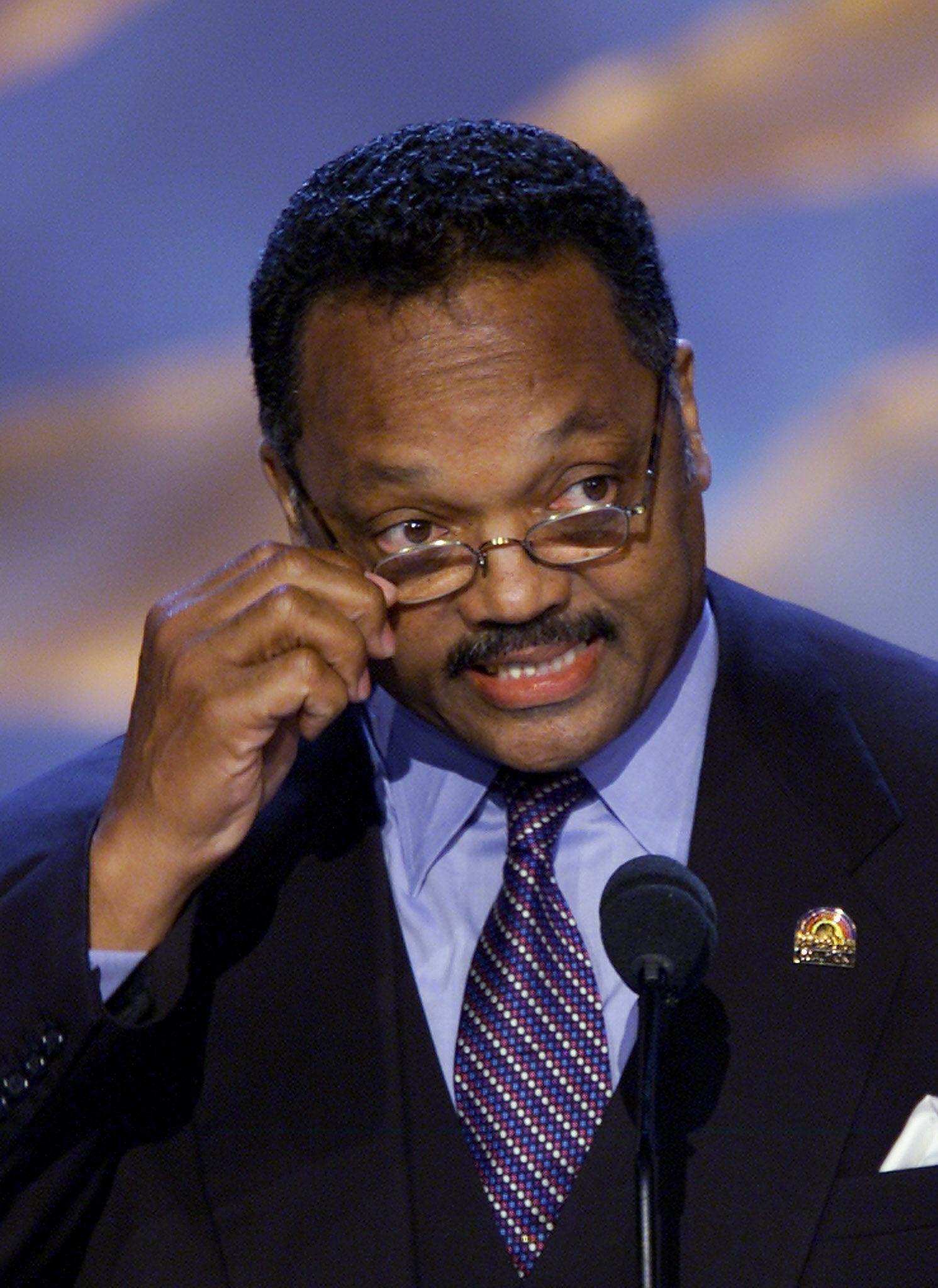
The Black Panther Party, founded in 1966 by Huey P. Newton and Bobby Seale, remains an iconic symbol of resistance, empowerment, and social justice. From its inception in Oakland, California, to its national and international impact, the legacy of the Black Panther Party continues to shape conversations about civil rights, activism, and community empowerment.
Historical Context:
In the 1960s, the United States was experiencing a turbulent period marked by profound social, political, and cultural shifts. Several factors contributed to the conditions that gave rise to the Black Panther Party:
- Civil Rights Movement: The Civil Rights Movement of the 1950s and 1960s challenged racial segregation and discrimination against African Americans. Despite significant legislative victories, such as the Civil Rights Act of 1964 and the Voting Rights Act of 1965, systemic racism persisted, particularly in the form of police brutality and economic inequality.
- Urban Unrest: Many African American communities faced economic hardship, substandard housing, and limited access to quality education and healthcare. Urban centers experienced frequent outbreaks of violence and civil unrest, often sparked by incidents of police brutality or racial discrimination.
- Police Brutality: African Americans, especially in urban areas, were subjected to widespread police brutality and harassment. Incidents such as the killing of unarmed black individuals by law enforcement officers were not uncommon, leading to a sense of outrage and frustration within the black community.
- Political Activism: The 1960s saw a surge in political activism, with various groups advocating for civil rights, anti-war protests, and revolutionary change. Influential figures like Malcolm X and Stokely Carmichael (later known as Kwame Ture) emphasized the need for black self-defense and empowerment in the face of ongoing oppression.
- Vietnam War: The escalation of the Vietnam War fueled anti-government sentiment and heightened tensions within American society. Many activists, including members of the Civil Rights Movement, opposed the war and called for an end to U.S. military intervention abroad, diverting resources from domestic social programs.
- Inspiration from Global Movements: The Black Panther Party drew inspiration from global liberation movements, including the anti-colonial struggles in Africa and the socialist revolutions in Cuba and China. Leaders like Huey P. Newton and Bobby Seale were influenced by Marxist ideology and sought to adapt revolutionary principles to the African American struggle for liberation.
In this volatile socio-political climate, the Black Panther Party emerged as a radical response to systemic racism, economic injustice, and political repression. Founded in 1966 in Oakland, California, the Party sought to empower African American communities through grassroots organizing, community programs, and armed self-defense. The conditions of the 1960s provided fertile ground for the growth of the Black Panther Party, as it tapped into the frustrations and aspirations of black Americans seeking liberation and equality.
The Program:
The Black Panther Party’s Ten-Point Program was a foundational document that outlined the party’s demands for basic human rights, freedom, and equality. Here are the key points, emphasizing their significance:
- We want freedom. We want power to determine the destiny of our black community.: This point asserts the fundamental right of African Americans to self-determination and control over their own communities, challenging the systemic oppression imposed by external forces.
- We want full employment for our people.: The demand for full employment addresses the economic inequality faced by African Americans, highlighting the need for access to meaningful work and financial stability.
- We want an end to the robbery by the capitalists of our black and oppressed communities.: This point condemns the exploitation of black communities by capitalist interests and calls for economic justice and redistribution of wealth.
- We want decent housing, fit for the shelter of human beings.: Access to safe and adequate housing is recognized as a basic human right, addressing the pervasive housing discrimination and segregation faced by African Americans.
- We want education for our people that exposes the true nature of this decadent American society. We want education that teaches us our true history and our role in the present-day society.: The demand for education reform emphasizes the importance of empowering African Americans with knowledge of their history and the systemic injustices they face, challenging the whitewashing of American history.
- We want all black men to be exempt from military service.: This point opposes the conscription of African American men into the military, highlighting the disproportionate burden of military service and the exploitation of black soldiers.
- We want an immediate end to police brutality and murder of black people.: The demand for an end to police brutality addresses the pervasive violence and harassment experienced by African Americans at the hands of law enforcement, calling for accountability and reform within police departments.
- We want freedom for all black men held in federal, state, county, and city prisons and jails.: This point highlights the issue of mass incarceration and the disproportionate imprisonment of African Americans, advocating for the release of political prisoners and fair treatment within the criminal justice system.
- We want all black people when brought to trial to be tried in court by a jury of their peer group or people from their black communities, as defined by the Constitution of the United States.: This demand for jury trial by peers addresses the systemic bias and discrimination within the legal system, seeking fair and impartial treatment for African American defendants.
- We want land, bread, housing, education, clothing, justice, and peace.: This comprehensive demand encapsulates the broader aspirations of the Black Panther Party, emphasizing the need for social, economic, and political equality for African Americans.
The Ten-Point Program served as a manifesto for the Black Panther Party’s vision of liberation and empowerment, articulating the fundamental principles and goals of the organization in the struggle for justice and equality.
Community Empowerment:
The Black Panther Party’s initiatives, including the Free Breakfast for Children program and community health clinics, played a crucial role in addressing social inequalities and providing essential services to underserved communities. Here’s how these programs made a significant impact:
- Free Breakfast for Children Program:
- In response to the widespread poverty and hunger affecting African American communities, the Black Panther Party launched the Free Breakfast for Children program in 1969.
- This initiative provided free, nutritious breakfasts to children in underserved neighborhoods, ensuring that they had access to a healthy meal before starting their school day.
- By addressing the immediate need for food security, the program not only alleviated hunger but also enabled children to concentrate better in school, ultimately improving their educational outcomes.
- The Free Breakfast for Children program also served as a powerful symbol of community solidarity and self-reliance, demonstrating the Party’s commitment to uplifting and empowering African American youth.
2. Community Health Clinics:
- Recognizing the lack of access to quality healthcare in many African American neighborhoods, the Black Panther Party established community health clinics to provide free medical services to local residents.
- These clinics offered a range of healthcare services, including check-ups, screenings, vaccinations, and treatment for common illnesses and injuries.
- By bringing healthcare directly into the community, the Party sought to address disparities in healthcare access and ensure that all individuals, regardless of their socioeconomic status, could receive medical attention when needed.
- Additionally, the clinics provided opportunities for community members to learn about preventive care and health education, empowering them to take control of their own well-being.
Overall, the Free Breakfast for Children program and community health clinics exemplified the Black Panther Party’s commitment to grassroots activism and community empowerment. By providing essential services and addressing systemic inequalities, these initiatives not only met the immediate needs of underserved communities but also fostered a sense of solidarity and collective action in the fight for social justice and equality.
The Black Panther Party’s focus on self-defense and community policing was a central tenet of its ideology, aimed at combating police brutality and protecting African American neighborhoods. Here’s how the Party’s approach to self-defense and community policing made a significant impact:
- Armed Self-Defense:
- In response to the pervasive violence and harassment perpetrated by law enforcement against African American communities, the Black Panther Party advocated for the right to armed self-defense.
- Members of the Party, known as “Panthers,” openly carried firearms and patrolled their neighborhoods to monitor police activity and intervene in instances of brutality.
- By exercising their Second Amendment rights and asserting their self-defense capabilities, the Panthers sought to deter police misconduct and defend themselves and their communities against unjust violence.
- The visible presence of armed Panthers challenged the perception of African Americans as passive victims and empowered individuals to assert their rights and protect their own safety and dignity.
2. Community Policing:
- In addition to armed self-defense, the Black Panther Party promoted the concept of community policing, whereby local residents took an active role in monitoring and policing their own neighborhoods.
- Panthers established community patrols and “cop watch” programs to monitor police behavior, document instances of brutality, and provide support to victims of police abuse.
- Through these efforts, the Party sought to build trust and solidarity within African American communities, fostering a sense of collective responsibility for safety and security.
- Community policing initiatives also aimed to challenge the monopoly of power held by law enforcement agencies and promote accountability and transparency in policing practices.
3. Legal Education and Advocacy:
- In addition to physical defense measures, the Black Panther Party provided legal education and advocacy to empower individuals to assert their rights when confronted by law enforcement.
- Panthers conducted “Know Your Rights” workshops and distributed informational materials to educate community members about their legal protections and how to interact with police.
- By equipping individuals with knowledge and resources to navigate encounters with law enforcement, the Party sought to reduce instances of police brutality and protect the civil liberties of African Americans.
Overall, the Black Panther Party’s emphasis on self-defense and community policing reflected its commitment to challenging systemic oppression and protecting the rights and safety of African American communities. Through these initiatives, the Party sought to empower individuals to resist injustice and build alternative systems of accountability and security rooted in community solidarity and self-determination.
Cultural Impact:
The Black Panther Party had a profound influence on art, music, and popular culture, shaping the aesthetics and ideologies of the era and leaving a lasting legacy that continues to resonate with activists today. Here’s how the Party’s impact manifested in various cultural spheres:
- Art and Visual Culture:
- The Black Panther Party’s iconic imagery, including the emblem of the panther and the raised fist salute, became powerful symbols of black liberation and resistance.
- Artists and graphic designers associated with the Party created bold and striking posters, flyers, and artwork that conveyed messages of solidarity, empowerment, and defiance.
- These visual representations helped to disseminate the Party’s ideologies and mobilize support for its initiatives, capturing the attention of audiences both within and outside of African American communities.
2. Music and Performance:
- The Black Panther Party’s message of empowerment and social justice resonated deeply with musicians and performers of the era, inspiring a wave of politically charged music and performance art.
- Artists such as Gil Scott-Heron, The Last Poets, and Nina Simone incorporated themes of black liberation and resistance into their music, using their platforms to amplify the voices of the oppressed and confront systemic injustice.
- The Party also organized cultural events and concerts that featured performances by prominent artists, showcasing the intersection between activism and artistic expression within the broader struggle for civil rights and equality.
3. Literature and Poetry:
- Writers and poets associated with the Black Panther Party, such as Amiri Baraka, Sonia Sanchez, and Eldridge Cleaver, produced works that explored themes of black identity, social revolution, and resistance.
- The Party’s newspaper, The Black Panther, served as a platform for political commentary, literature, and poetry, providing a voice for marginalized communities and challenging dominant narratives of power and oppression.
- Through poetry readings, literary events, and publications, the Party contributed to a vibrant cultural renaissance that celebrated black creativity and intellect while advocating for radical social change.
4. Slogans and Political Rhetoric:
- The Black Panther Party coined several slogans and catchphrases that encapsulated its revolutionary ethos and galvanized support for its cause.
- Phrases such as “Power to the People,” “All Power to the People,” and “Free Huey” became rallying cries for activists and supporters, expressing the Party’s commitment to grassroots organizing and community empowerment.
- These slogans continue to resonate with activists today, serving as reminders of the ongoing struggle for liberation and the enduring legacy of the Black Panther Party in the fight against systemic racism and oppression.
Overall, the Black Panther Party’s influence on art, music, and popular culture was profound, reflecting its broader impact on American society and its efforts to mobilize and empower marginalized communities in the pursuit of social justice and equality. By harnessing the power of culture and creativity, the Party helped to shape the cultural landscape of the era and inspire future generations of activists to continue the struggle for liberation and empowerment.
The Black Panther Party was deeply interconnected with other social movements of the time, including the Civil Rights Movement and the fight for women’s rights. Here’s how the Party’s connections to these movements influenced its ideology and activism:
- Civil Rights Movement:
- The Black Panther Party emerged in the wake of the Civil Rights Movement, drawing inspiration from its tactics of nonviolent protest and direct action.
- While the Civil Rights Movement focused primarily on ending segregation and securing legal rights for African Americans, the Black Panther Party adopted a more radical approach, emphasizing armed self-defense and community empowerment.
- Despite ideological differences, there were overlapping goals between the two movements, including combating systemic racism, addressing economic inequality, and promoting social justice.
- Many activists and organizations associated with the Civil Rights Movement expressed solidarity with the Black Panther Party, recognizing the shared struggle for racial equality and the importance of diverse tactics in achieving liberation.
2. Women’s Rights:
- The Black Panther Party was initially dominated by male leadership, but women played significant roles within the organization and contributed to its activism and ideology.
- Female members of the Party, such as Kathleen Cleaver, Elaine Brown, and Angela Davis, challenged traditional gender roles and advocated for women’s rights within the broader struggle for black liberation.
- The Party’s Ten-Point Program included demands for gender equality, such as access to education and employment opportunities for black women.
- However, tensions arose within the Party over issues of sexism and gender discrimination, prompting some women to form their own organizations, such as the Black Women’s United Front, to address these concerns.
- Despite internal challenges, the Black Panther Party’s engagement with women’s rights issues contributed to broader conversations about intersectionality and the interconnected nature of racial, gender, and class oppression.
Overall, the Black Panther Party’s connections to the Civil Rights Movement and the fight for women’s rights underscored the complexity and diversity of the era’s social activism. While each movement had its own distinct goals and strategies, they shared common aspirations for equality, justice, and liberation, and their intersecting struggles contributed to a broader movement for social change and empowerment.
Continuing the Legacy:
The principles of the Black Panther Party remain highly relevant in today’s society, especially amidst ongoing struggles for racial justice and equity. Here’s how the Party’s principles continue to resonate:
- Community Empowerment: The Black Panther Party’s emphasis on community empowerment and grassroots organizing serves as a model for contemporary social movements seeking to address systemic inequalities and uplift marginalized communities. Initiatives like the Free Breakfast for Children program and community health clinics demonstrate the importance of providing essential services and building self-sufficient, resilient communities.
- Anti-Police Brutality: The issue of police brutality and racial profiling remains a pervasive problem in society today, prompting renewed calls for accountability and reform within law enforcement agencies. The Black Panther Party’s advocacy for self-defense and community policing offers insights into alternative approaches to addressing police violence and promoting community safety and trust.
- Intersectionality: The Black Panther Party’s recognition of the interconnected nature of oppression, including racism, sexism, and classism, continues to inform contemporary discussions about intersectionality and the need for inclusive, intersectional approaches to social justice activism. By acknowledging the multiple dimensions of identity and privilege, activists today strive to build solidarity across diverse communities and address the root causes of inequality.
- Political Education: The Black Panther Party’s emphasis on political education and consciousness-raising highlights the importance of educating individuals about their rights, history, and the structures of power that shape society. In today’s digital age, access to information and resources for political education is more widespread than ever, empowering individuals to become informed, engaged citizens and advocates for change.
- Activism and Resistance: The legacy of the Black Panther Party inspires contemporary activists to confront injustice and oppression through creative, strategic forms of activism and resistance. From organizing protests and demonstrations to advocating for policy changes and supporting community-led initiatives, activists draw inspiration from the Party’s bold, uncompromising stance against systemic racism and inequality.
Overall, the principles of the Black Panther Party continue to resonate with individuals and communities striving for racial justice and equity in today’s society. By drawing on the Party’s legacy of empowerment, solidarity, and resistance, activists can build upon past struggles and work towards creating a more just, equitable future for all.
Contemporary organizations and movements draw significant inspiration from the Black Panther Party’s legacy of activism, empowerment, and community organizing. Here are some examples:
- Black Lives Matter (BLM):
- BLM emerged in response to ongoing police brutality and systemic racism, echoing the Black Panther Party’s call for accountability and justice in law enforcement.
- Like the Panthers, BLM advocates for the rights and dignity of Black communities, challenging structural inequalities and advocating for policy reforms.
- BLM’s decentralized structure and emphasis on grassroots organizing reflect the Party’s commitment to community empowerment and self-determination.
2. Community-Based Initiatives:
- Across the United States, grassroots community initiatives draw inspiration from the Black Panther Party’s programs and principles.
- Organizations and collectives focus on providing essential services, such as food assistance, healthcare, and educational support, to underserved communities, mirroring the Party’s emphasis on meeting the immediate needs of marginalized populations.
- These initiatives often prioritize community ownership and participation, empowering residents to take control of their own destinies and build solidarity within their neighborhoods.
3. Political Activism:
- Contemporary political movements and campaigns incorporate elements of the Black Panther Party’s revolutionary ethos and tactics.
- Activists and organizers mobilize around issues such as voting rights, criminal justice reform, and economic justice, drawing on the Party’s legacy of resistance and organizing to effect systemic change.
- By leveraging social media and digital platforms, these movements amplify marginalized voices and mobilize supporters in pursuit of social justice and equity.
4. Intersectional Advocacy:
- Like the Black Panther Party, contemporary movements recognize the intersectionality of oppression and advocate for inclusive, intersectional approaches to activism.
- Organizations and coalitions prioritize solidarity across diverse communities and center the experiences of marginalized individuals, recognizing that liberation is interconnected and must address the intersecting forms of discrimination and marginalization faced by people of color, women, LGBTQ+ individuals, and other marginalized groups.
In summary, the Black Panther Party’s legacy continues to inspire a wide range of contemporary organizations and movements committed to social justice, empowerment, and community building. By drawing on the Party’s principles and strategies, these groups work towards creating a more just, equitable society for all.
Conclusion:
As we honor the legacy of the Black Panther Party, let us remember its commitment to empowerment, solidarity, and social change. By acknowledging the past struggles and continuing the fight for justice, we can uphold the ideals of the Party and work towards creating a more equitable and inclusive society for all.