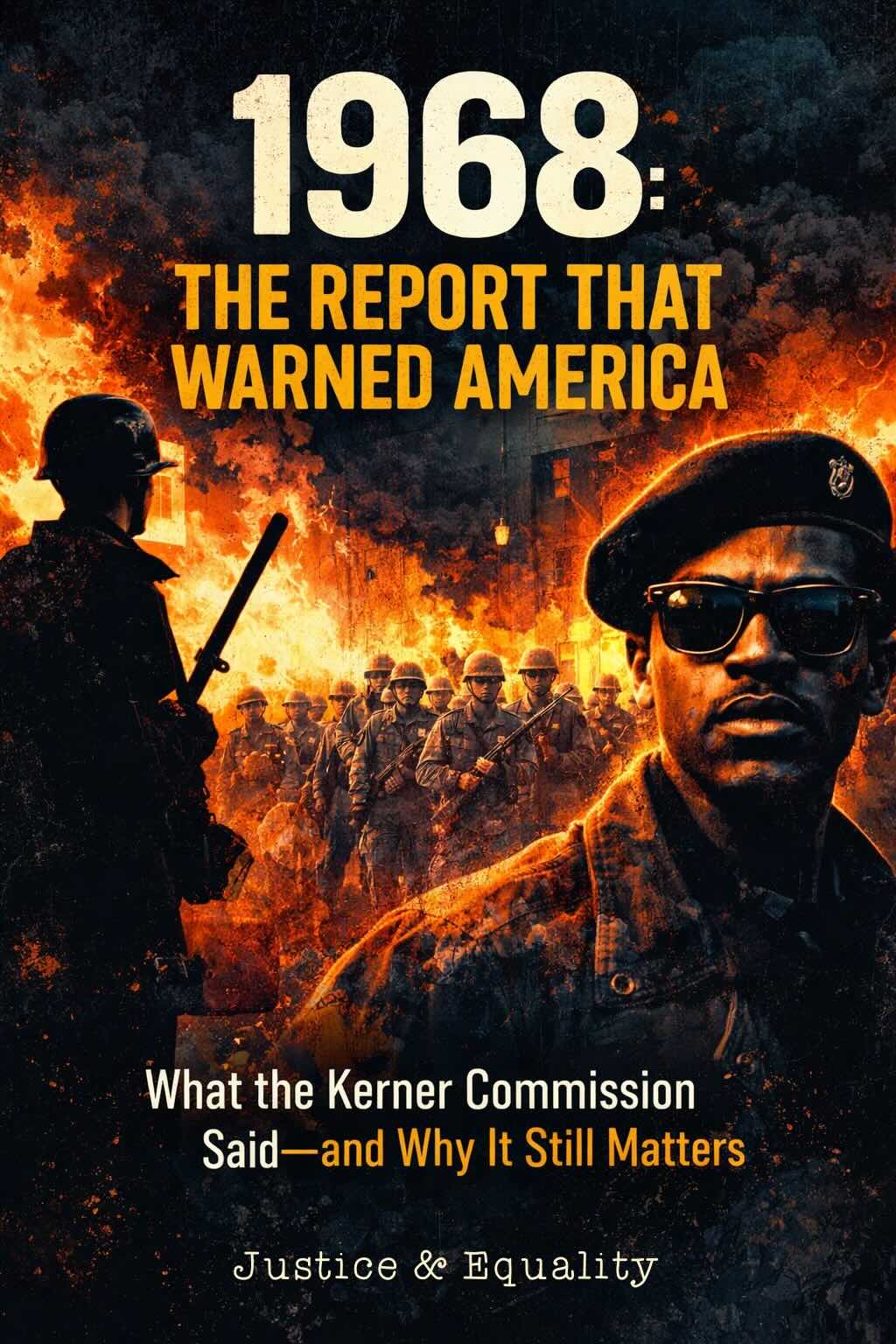
What the Kerner Commission Said—and Why It Still Matters
In 1968, the United States government conducted one of the most important investigations in its history.
It asked three questions:
What happened?
Why did it happen?
What can be done to prevent it from happening again?
The answers were clear. The warning was direct.
America, the report concluded, was moving toward two separate and unequal societies.
More than fifty years later, that warning still echoes.
1968: The Report That Warned America breaks down the findings of the Kerner Commission and places them in context—what led to the unrest, what the government discovered, and what was never fully addressed.
This is not an academic text.
It is a focused, accessible look at a turning point in American history—and the questions that remain unresolved today.
For readers seeking clarity, context, and a deeper understanding of the forces that continue to shape the country, this book offers a direct path into the conversation.
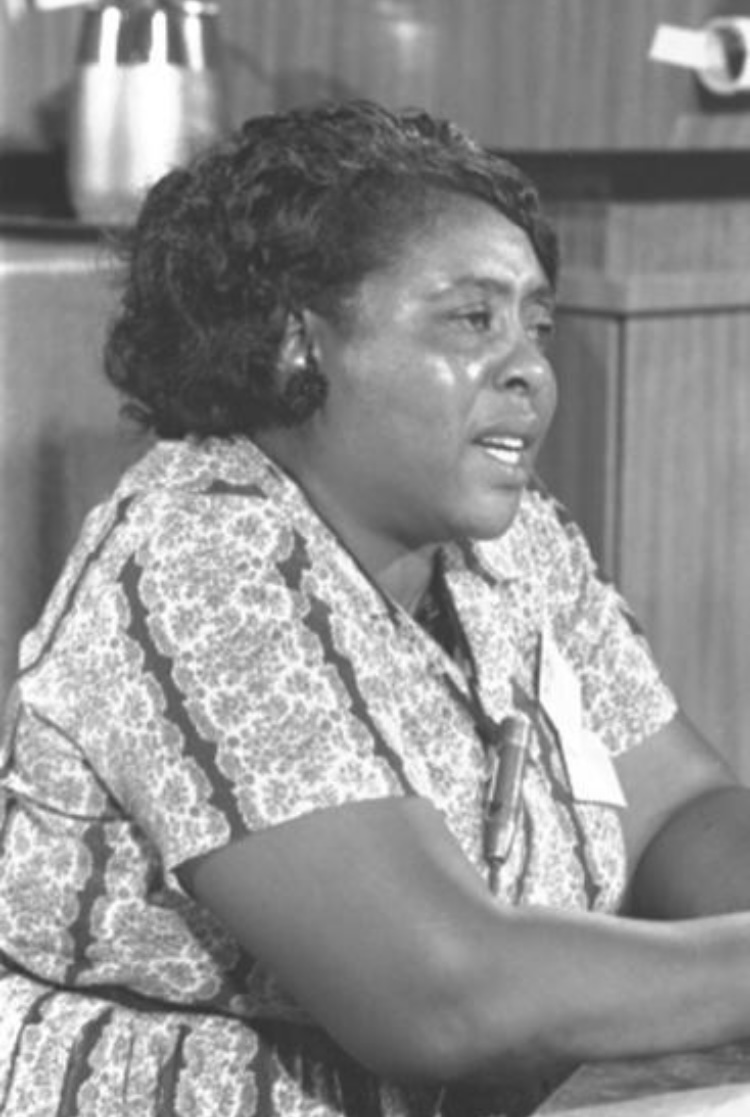
Born: October 6, 1917 – Montgomery County, Mississippi
Died: March 14, 1977 – Mound Bayou, Mississippi
Fannie Lou Hamer was one of the most powerful grassroots leaders of the American Civil Rights Movement. She was not a lawyer, preacher, or politician. She was a sharecropper who decided she’d had enough.
Early Life
Youngest of 20 children in a family of sharecroppers.
Began working in cotton fields at age 6.
Received limited formal education due to poverty.
In 1961, she underwent a forced hysterectomy without her consent — a common racist practice in Mississippi known as a “Mississippi appendectomy.”
Turning Point – 1962
At age 44, she attended a meeting organized by the Student Nonviolent Coordinating Committee (SNCC).
She learned Black Americans had a constitutional right to vote — something she had effectively been denied her entire life.
She attempted to register to vote.
For that:
She was fired from the plantation where she lived and worked.
She received death threats.
She was harassed repeatedly.
She did not back down.
1963 – Arrest and Beating
In Winona, Mississippi, she was arrested for trying to desegregate a bus station.
While jailed, she was brutally beaten by other inmates under police orders. She suffered permanent kidney damage and a blood clot in her eye.
Afterward, she famously said:
“They could beat me as long as they want, but they couldn’t beat God out of me.”
1964 – National Spotlight
She helped found the Mississippi Freedom Democratic Party (MFDP).
The MFDP challenged Mississippi’s all-white delegation at the 1964 Democratic National Convention.
Her televised testimony before the credentials committee shook the country. She described beatings, terror, and voter suppression in Mississippi.
She asked:
“Is this America, the land of the free and the home of the brave?”
President Lyndon B. Johnson tried to interrupt the broadcast because he feared how powerful her words were.
Millions still saw it.
Famous Quote
“I’m sick and tired of being sick and tired.”
That line became one of the most enduring slogans of the movement.
Later Work
Organized Freedom Farms Cooperative to help Black families gain economic independence.
Worked to increase political representation in Mississippi.
Helped pave the way for the Voting Rights Act of 1965.
In 1972, she became a delegate to the Democratic National Convention — this time officially recognized.
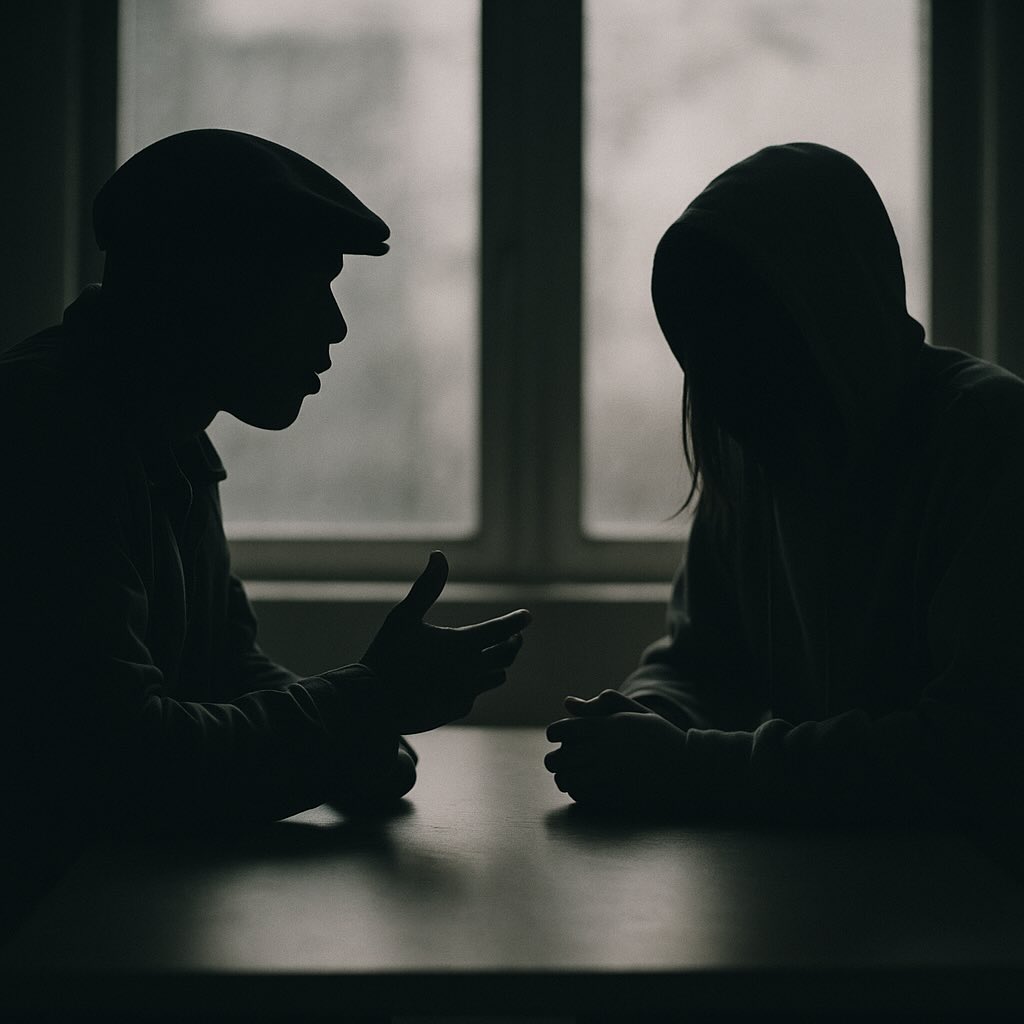
You ever seen a grown man cry over a grocery bill?
Monique M:
Twice this week. One of them was a vet. Other one had three kids and a busted radiator. She was asking how to stretch forty-three dollars across thirty days.
JJ:
Forty-three dollars.
Monique M:
That’s the average cut some folks saw this year. Pandemic-era boosts gone. Rent’s up. Eggs are still five bucks a dozen in half the cities I track.
JJ:
You tracking suffering like data?
Monique M:
I’m tracking survival. It’s my job to hand out lifeboats, but they keep shrinking the damn boats.
JJ:
Who’s shrinking them?
Monique M:
Congress. State-level administrators. Budget hawks who’ve never missed a meal. People who say “bootstraps” like it’s gospel. You know the drill.
JJ:
I know the drill. It was pointed at my uncle’s head when he got denied for assistance back in ’99. Said his disability check disqualified him. Said being poor wasn’t poor enough.
Monique M:
We lose staff every month. Burnout. Guilt. Some of us stay because walking away feels worse.
JJ:
So you’re inside the machine that’s grinding your own people.
Monique M:
I’m trying to jam it. I tell folks how to appeal, where the loopholes are, who to call when the office “loses” their paperwork for the third time. But it’s not enough. We need noise. We need backup.
JJ:
Forty-three dollars gone means forty-three meals gone. That’s a missed breakfast before school. That’s hunger making a child mean in class. That’s a mother eating instant noodles so her baby can have fruit.
Monique M:
And if she complains, the world says she’s lazy. Says she’s a leech. Says she should be grateful.
JJ:
Grateful for what?
Monique M:
A system that feeds her kids every other week and starves them in between.
JJ:
We’ve seen this game before. Starve the people. Blame the people. Punish the people for daring to survive.
Monique M:
So what do we do?
JJ:
We speak. We write. We show up. We use this page, this name, this legacy. No more waiting for things to get worse before we call it what it is: war by policy.
Monique M:
And you think that’ll change something?
JJ:
I know it will. It already is. You’re here. You came to speak. That’s how it starts.
Monique M:
Then let this be the start.
JJ:
Let it be the start, and not the end.
Food is a human right. The cuts to SNAP are not “budgeting.” They are violence by pen. This page stands with Monique M, and every worker, parent, elder, and child caught in this cycle. Forty-three dollars is a number. But behind it are names.